


Wedding Receptions: Keeping Food Fresh for 3 Hours
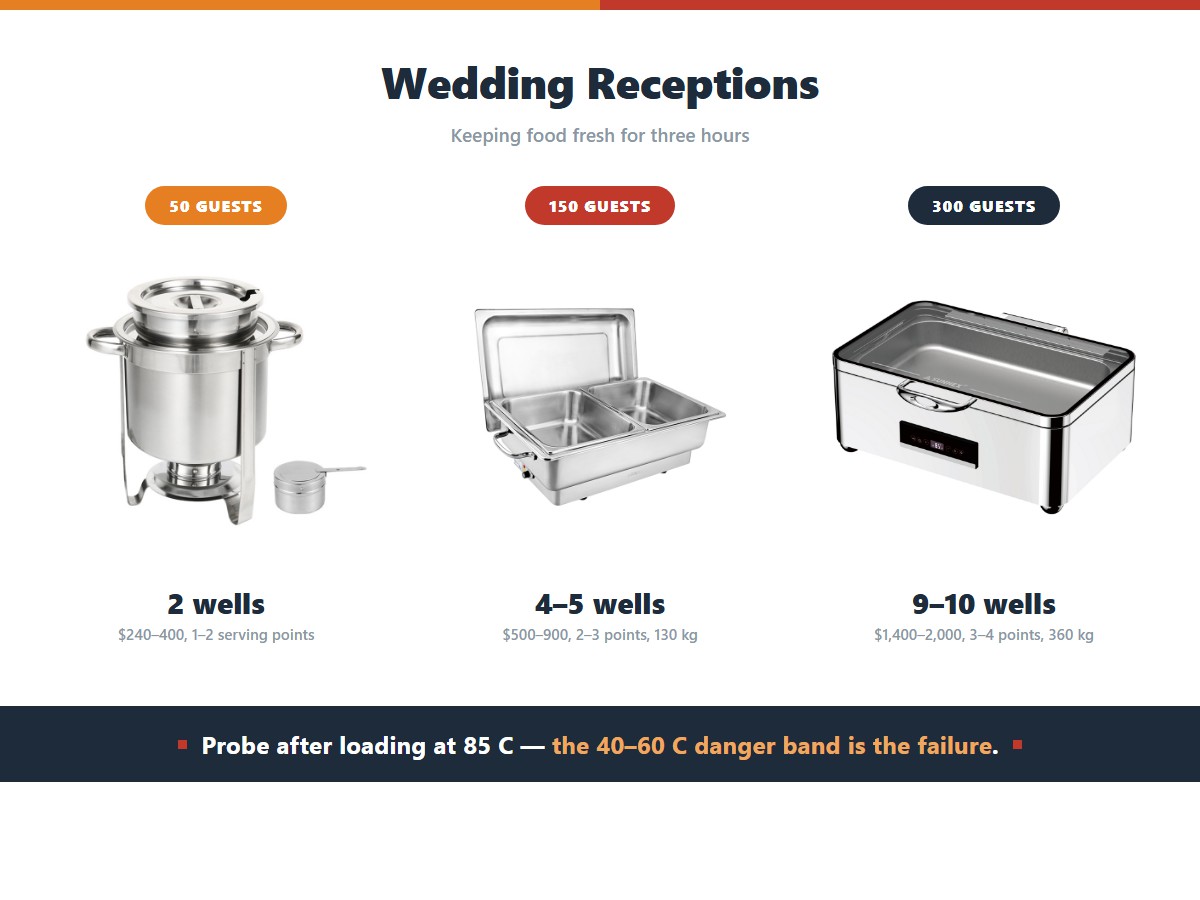
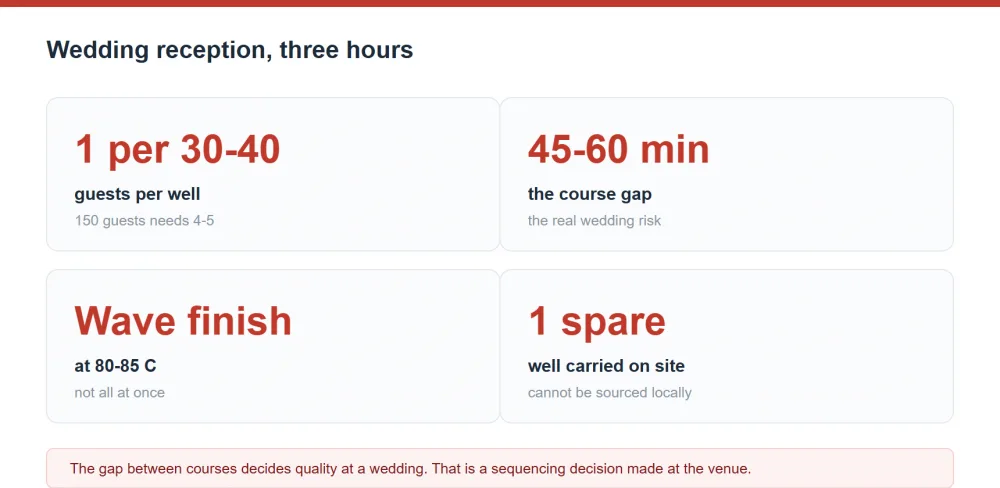
Short answer: Holding wedding food safely for three hours needs one hot well per 30–40 guests, food loaded at 85°C, lids on, and a probe check every hour at the pan edge. A 150-guest reception needs four to five wells at $500–900 of equipment. The real risk is the gap between courses, which can be 45–60 minutes. See buffet station equipment.
Wedding receptions are high-stakes catering events: 100+ guests expecting hot, fresh food for 4+ hours, with no room for dried-out appetizers or cold main courses. For caterers and venue managers, keeping food fresh throughout the event is a top priority—and the secret weapon most venues overlook is the commercial buffet stove. Unlike standard chafing dishes that lose heat quickly when lids are opened repeatedly, purpose-built buffet stoves maintain consistent temperatures and humidity levels that keep food fresh from the first guest to the last. In this guide, we’ll explain why buffet stoves are indispensable for wedding receptions, and which models deliver the best results for event catering.
Humidity Control Prevents Dried-Out Food
The biggest enemy of fresh buffet food is moisture loss. Standard chafing dishes with dry heat evaporate moisture from dishes like scrambled eggs, roasted vegetables, and pasta, leaving them dry and unappetizing after 2 hours. Buffet stoves with water bath heating (like the Electric Chafing Dish W20) maintain 80%+ humidity levels, keeping food moist for 8+ hours. For wedding receptions where food sits out for 4+ hours, this humidity control is the difference between guests raving about the meal and complaining about dry chicken.
Consistent Temperature Maintains Food Safety
Wedding buffets often have fluctuating guest traffic: lulls between ceremonies and dancing, then sudden rushes when the dance floor clears. Standard warming trays can’t keep up with these fluctuations, letting food drop below 60°C (the safe threshold for hot food) during slow periods. Buffet stoves with digital temperature control (like the Fuel Chafing Dish-HC380Z) maintain a steady 60–90°C range, even when lids are opened 50+ times per hour. This consistency keeps food safe for guests and fresh-tasting throughout the event.
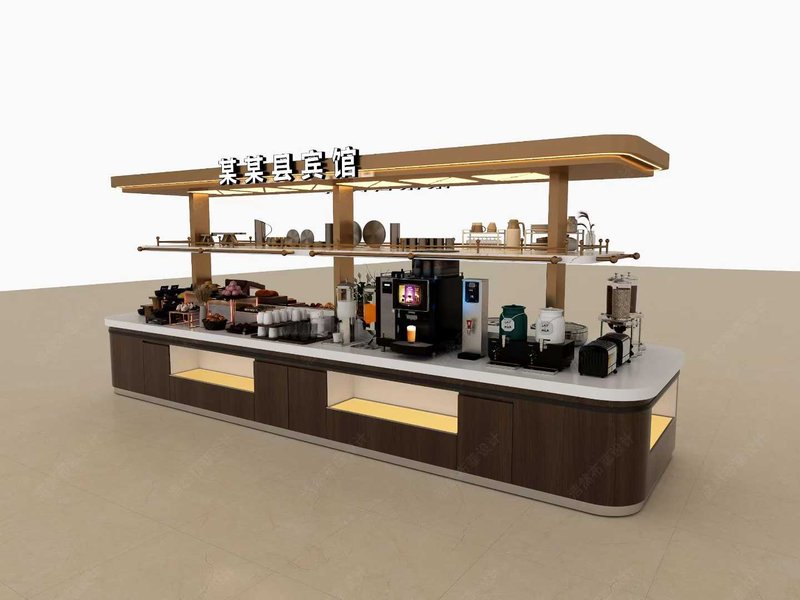
Reduce Last-Minute Food Prep
Nothing disrupts a wedding reception like running out of a popular dish and having to rush a new batch from the kitchen. Buffet stoves with large 11L capacities (like the Full Size 11L Electric Chafer) hold enough food for 50+ guests per pan, reducing the number of refills needed during the event. Fewer refills mean less kitchen stress, fewer disruptions to the buffet line, and more consistent food availability for guests. For wedding caterers managing multiple events in a day, this efficiency also reduces turnaround time between venues.
Top Buffet Stoves for Wedding Receptions
When selecting a buffet stove for wedding events, prioritize models with humidity control, large capacity, and reliable temperature maintenance. Below are two BAVA models trusted by wedding caterers worldwide:

Electric Chafing Dish W20
The Electric Chafing Dish W20 features a 900W OLED touchscreen and 3-layer base for even heat distribution. With adjustable temperature (45–90°C) and a water bath design that maintains 80%+ humidity, it keeps food moist for 8+ hours. The 304 stainless steel construction is durable enough for daily event use, and the sleek design complements upscale wedding venues. It’s CE, ETL, and RoHS certified, meeting global safety standards for food service.

Fuel Chafing Dish-HC380Z
This fuel-powered chafing dish is ideal for outdoor wedding receptions or venues without easy access to power. It features a tempered glass lid for visibility, hydraulic hinges for quiet operation, and dry-heat protection to prevent overheating. The 304 stainless steel body resists scratches from transport, and the 2–4 hour burn time per fuel can is perfect for 4-hour wedding receptions. It’s a versatile, reliable option for caterers handling both indoor and outdoor wedding events.
Enhance Guest Experience with Fresh Food
Wedding guests remember the food—especially if it’s cold or dried out. Buffet stoves ensure that every guest gets hot, fresh food whether they arrive at the start of the buffet or the end. For wedding planners and caterers, this consistency translates to better reviews, more referrals, and higher client satisfaction. In an industry where reputation is everything, investing in reliable buffet stoves is a small cost for a big payoff in guest experience.
Conclusion
For wedding receptions, food freshness is non-negotiable. Commercial buffet stoves deliver the humidity control, temperature consistency, and capacity needed to keep food fresh for 4+ hours, even with heavy guest traffic. Models like BAVA’s Electric Chafing Dish W20 and Fuel Chafing Dish-HC380Z are trusted by wedding caterers worldwide for their reliability and performance. Whether you’re catering a 50-guest intimate wedding or a 300-guest grand ballroom reception, the right buffet stove will help you deliver a meal that guests will remember fondly for years to come.
Browse the full chafing dish range for current models and configurations.
Wedding Reception Equipment by Guest Count
| Guests | Wells needed | Equipment | Serving points | Dishes | Total food |
|---|---|---|---|---|---|
| 50 | 2 | $240–400 | 1–2 | 2 | 25 kg |
| 100 | 3–4 | $420–700 | 2 | 3 | 85 kg |
| 150 | 4–5 | $500–900 | 2–3 | 3 | 130 kg |
| 200 | 6–7 | $800–1,200 | 3 | 3–4 | 180 kg |
| 300 | 9–10 | $1,400–2,000 | 3–4 | 4 | 360 kg |
The Three-Hour Timeline
| Time | What happens | Risk | Required action | Cost of missing it |
|---|---|---|---|---|
| −90 min | Preheat all wells | Cold start | Preheat at 12–15 min per unit | 20–25 min late service |
| −45 min | Load at 85°C | 40–60°C danger band | Probe after loading | Food safety failure |
| −20 min | Walk the line, lid everything | Crust begins at 40 min | Lids on every well | Presentation loss |
| 0 min | Guests arrive, first course out | — | One person on refills | — |
| +45 min | Gap between courses | Food sits, dries, depletes | Rotate pans, probe | Second course quality |
| +90 min | Main service peaks | Edge falls below 65°C | Probe and refill, keep spare hot | Complaints |
| +180 min | Service closes | Discard or reheat once | Discard after 4 hours total | Safety exposure |
The wedding-specific risk is the course gap. A reception with two sittings 50 minutes apart means food either waits past its holding window or has to be finished in waves, and that is a menu and sequencing decision made at the venue rather than an equipment problem.
Frequently Asked Questions
How long can wedding food be held hot safely?
Above 60°C for up to four hours in a single service, with 70–75°C the practical target. Verify at the pan edge hourly, because the centre often reads acceptable long after the edge has failed.
How many buffet warmers for a 150-guest wedding?
Four to five wells, which is $500–900 of equipment. Spread across two or three serving points rather than one line, which cuts peak wait from 5–7 minutes to 1–2.
What is the hardest part of a three-hour wedding service?
The gap between courses, often 45–60 minutes. Food either waits past its window or must be finished in waves, and that is a sequencing decision made at the venue, not an equipment fix.
Should wedding food be finished in waves?
Yes, and it is the standard professional approach. Release the second sitting at 80–85°C for the first ten minutes, then hold. This keeps every guest eating food at temperature rather than food that sat out.
Do I need spare equipment at a wedding?
One spare well, carried but often unused. A failed element at a 150-guest reception cannot be sourced locally, and the service cannot wait for a delivery.
Related reading
- Wedding Banquet Buffet Equipment List (100-300 Guests)
- Chafing Dishes for Weddings: Rent, Don't Buy (Here's Why)
- Chafing Dish Rental for Weddings: Packages, Pricing, Pitfalls
- Heat Lamp Electricity Cost: What 275W Costs Over 8 Hours
- Outdoor Wedding Buffet: Wind, Sun and Rain Survival Guide
- 10 Wedding Buffet Ideas Guests Actually Remember