


Chafing Dish Guide: 5 Questions That Decide the Right Model
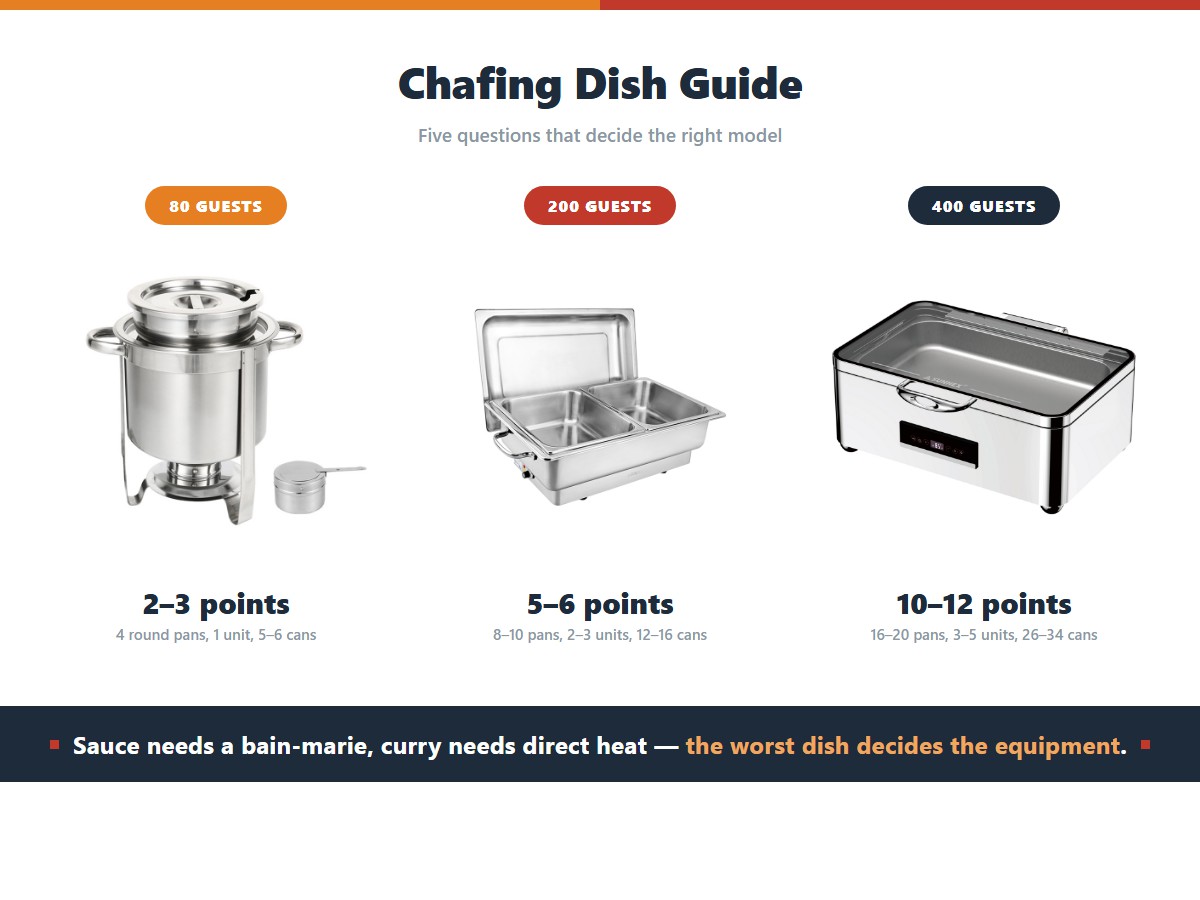
Short answer: Five questions decide which chafing dish you should buy: how many guests, how many service hours, do you have power at the line, what is the worst dish on the menu, and can you get spare parts in under a week. The first two give you capacity and fuel size, the third gives you fuel type, and the last two decide whether the unit exists in year four. See chafing dish ranges.
Chafing Dish: Ultimate Guide for Catering & Restaurant
Chafing dishes are the unsung heroes of the catering and restaurant industry, keeping food at safe, palatable temperatures for hours without compromising quality or presentation. Whether you’re running a hotel buffet, a wedding catering business, or a casual restaurant with all-day dining, choosing the right chafing dish can make or break your food service efficiency. This guide breaks down everything you need to know about chafing dishes, from core types and must-have features to selection tips and maintenance best practices, tailored specifically for catering and restaurant professionals.
What Is a Chafing Dish?
A chafing dish is a portable food warming device designed to keep prepared dishes at consistent serving temperatures (typically 60–90°C / 140–194°F) for extended periods. It consists of a food pan (usually GN 1/1 size, 530×325mm) nested inside a water pan, which is heated by either electric elements, alcohol gel fuel, or liquid fuel canisters. The double-wall design creates a gentle, even heat distribution that prevents food from drying out, burning, or falling into the temperature danger zone (below 60°C / 140°F) where bacteria multiply rapidly.
Chafing dishes originated in 18th-century France, where they were used to serve delicate dishes like chafed (warmed) meats at banquets. Today, they are a staple in catering, hospitality, and food service globally, with modern iterations featuring smart temperature controls, energy-efficient designs, and durable food-grade materials.
Key Types of Chafing Dishes for Catering & Restaurants
Not all chafing dishes are built for the same use case. For catering and restaurant businesses, you’ll typically choose between three core categories based on your power access, event type, and service volume:
1. Electric Chafing Dishes
Electric models are the top choice for fixed buffet setups (hotels, restaurants, banquet halls) with reliable power access. They feature built-in heating elements, adjustable digital temperature controls, and safety features like overheat protection and dry-burn alerts. Most commercial electric chafing dishes run on 220V/110V power, with wattages ranging from 400W to 1100W. High-end models such as our 11 L electric model offer 12-minute rapid heat-up and 80%+ thermal efficiency, cutting energy costs for high-volume operations.
2. Fuel-Powered Chafing Dishes
Fuel-powered (alcohol gel or liquid) chafing dishes are the go-to for off-grid catering events, outdoor weddings, and mobile food service. They require no electricity, with each fuel canister providing 2–4 hours of consistent heat. These models are lightweight, portable, and often feature hinged glass lids for easy serving access. Look for models with sturdy stainless steel frames and leak-proof fuel holders to avoid accidents during transport.
3. Hybrid Chafing Dishes
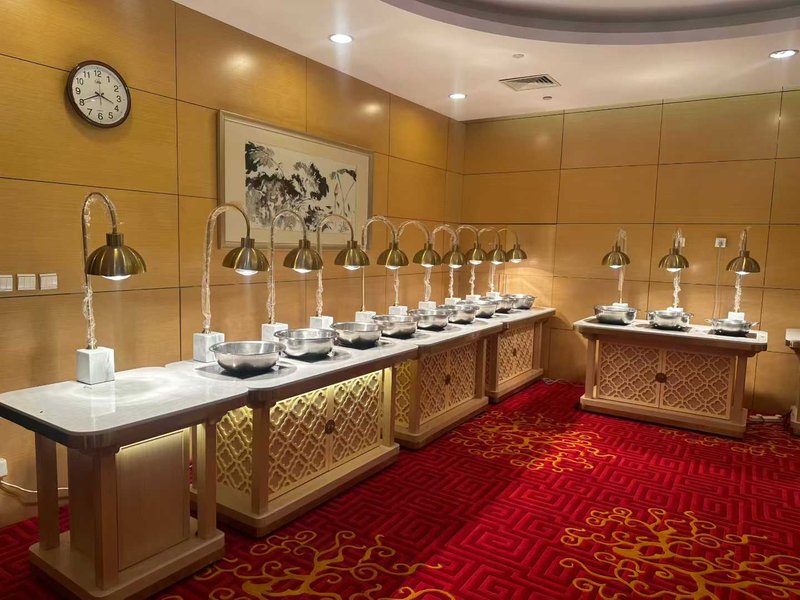
Hybrid models combine electric heating with backup fuel burners, making them ideal for high-stakes events like lobby banquets where power outages are a risk. The StoveMaster Series, for example, features dual electric heating plates plus 4 built-in alcohol burners, ensuring uninterrupted food warming even in emergency scenarios.
Must-Have Features for Commercial Chafing Dishes
When selecting chafing dishes for catering or restaurant use, prioritize these features to ensure durability, safety, and efficiency:
- Food-Grade 304 Stainless Steel Construction: Avoid low-grade 201 stainless steel, which rusts easily and leaches chemicals into food. 304 stainless steel is corrosion-resistant, easy to clean, and complies with FDA food safety standards.
- Adjustable Temperature Control: Electric models should offer a wide temp range (45–90°C / 113–194°F) to accommodate different dishes, from delicate pastries to hearty stews.
- Safety Certifications: Look for CE, ETL, RoHS, and FDA compliance to meet commercial food service regulations in your region.
- Appropriate Capacity: Full-size GN 1/1 pans (11L) suit high-volume buffets, while 5.5L–7L models work for small cafes or intimate events. Double-pan models let you serve two dishes simultaneously, saving space.
- User-Friendly Design: Roll-top or hinged glass lids reduce condensation drips, while integrated utensil trays keep serving spoons hygienic and within reach.
How to Choose the Right Chafing Dish for Your Business
Your selection should align with your service model, event volume, and budget:
- For Catering Businesses: Prioritize portability and fuel flexibility. Opt for lightweight fuel-powered models with stackable frames for easy transport, or hybrid models for events with uncertain power access. Choose 8QT–11L capacities to handle 100+ guests per event.
- For Hotels & Banquet Halls: Invest in high-wattage electric models with smart temperature controls and digital displays. Look for models with tempered glass lids for elegant presentation, and OLED touchscreens for staff ease of use.
- For Small Restaurants & Cafes: Choose compact electric or 5.5L fuel models that fit limited counter space. Mini individual chafing dishes are great for single-serve portions, reducing food waste.
Top Chafing Dish Picks for Catering & Restaurants
We’ve curated two top-performing chafing dishes from BAVA’s commercial lineup, tested for durability and efficiency in real-world catering and restaurant settings:

Full Size 11L Electric Chafer
The BAVA Full Size 11 L Electric Chafer is a powerhouse for high-volume hotels and catering businesses. With 1100W of power, it heats up to optimal temperature in just 12 minutes, with a thermal efficiency of 80% or higher to cut energy costs. It features a digital temperature display, Smart Mode for automated heat adjustment, polished 304 stainless steel construction, and a tempered glass lid for elegant presentation. Its GN 1/1 size food pan fits standard buffet inserts, making it a versatile addition to any fixed buffet setup.

Electric Chafing Dish Food Warmer
This commercial hotel electric visual buffet chafing dish is designed for busy restaurants and catering events, with 400W fast heating and precise digital temperature control. It features 304 food-grade stainless steel construction, a water tank capacity of 2.5L, and adjustable temperature settings from 60–93°C to accommodate a wide range of dishes. Certified CE, ETL, RoHS, and FDA compliant, it reaches 60°C in just 15 minutes, making it ideal for quick setup before peak service hours. Its compact size fits most counter and buffet layouts without taking up excessive space.
Maintenance Tips for Long-Lasting Chafing Dishes
Proper maintenance extends the lifespan of your chafing dishes and ensures food safety:
- Always empty and clean the water pan after each use to prevent mineral buildup and bacteria growth.
- Use non-abrasive cleaners and soft sponges to avoid scratching stainless steel surfaces, which can harbor bacteria.
- For electric models, check power cords and heating elements regularly for wear and tear, and replace damaged parts immediately.
- For fuel models, clean fuel holders with warm soapy water after each use, and store fuel canisters in a cool, dry place away from heat sources.
- Store chafing dishes in a dry, covered area when not in use to prevent dust and moisture damage.
Conclusion
Chafing dishes are a critical investment for any catering or restaurant business, directly impacting food quality, service efficiency, and customer satisfaction. By choosing the right type, prioritizing must-have features, and maintaining your equipment properly, you can reduce operational costs, minimize food waste, and deliver consistent, high-quality dining experiences for your guests. Whether you’re outfitting a new hotel buffet or expanding your catering toolkit, use this guide to select chafing dishes that align with your business needs and growth goals.
Browse the full chafing dish range for current models and configurations.
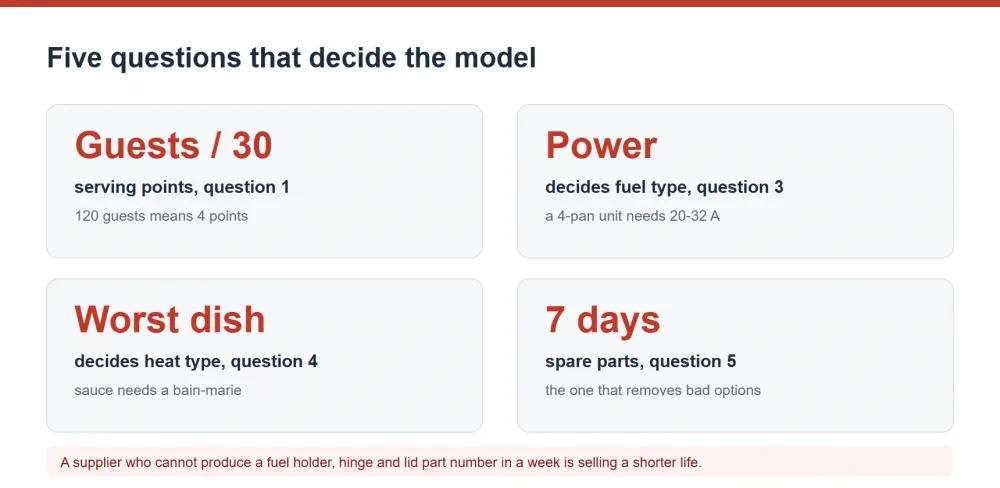
The Five Questions, With Worked Answers
| Question | What to determine | Worked example: 120 guests, 3 hours | Wrong answer costs |
|---|---|---|---|
| 1. How many guests? | Serving points and unit count | 4 serving points, 1–2 units | Queue of 5–7 min |
| 2. How many hours? | Fuel can size | 7–10 oz cans, 6–8 of them | Running dry mid-service |
| 3. Power at the line? | Electric or fuel | No power, so fuel or hybrid | A 20–32 A circuit you do not have |
| 4. Worst dish on the menu? | Heat type | Sauce, so bain-marie | Splits and scorches |
| 5. Spare parts in a week? | Brand viability | Element $30–70, 5–14 days | A unit that ends at year 4 |
Answers by Guest Number
| Guests | Serving points | Round pans | 4-pan units | Cans, 3 hr | Total cost |
|---|---|---|---|---|---|
| 40 | 2 | 2 | 0–1 | 3–4 | $150–320 |
| 80 | 2–3 | 4 | 1 | 5–6 | $280–560 |
| 120 | 4 | 4–6 | 1–2 | 6–10 | $420–820 |
| 200 | 5–6 | 8–10 | 2–3 | 12–16 | $780–1,500 |
| 400 | 10–12 | 16–20 | 3–5 | 26–34 | $1,700–3,200 |
| 800 | 20+ | 32–40 | 7–10 | 52–68 | $3,400–6,400 |
What Question 4 Changes
| Worst dish | Needs | Correct equipment | Wrong equipment | Failure mode |
|---|---|---|---|---|
| Sauce, gravy, custard | Never above 85–90°C | Bain-marie, water heated | Direct element | Splits, scorches on contact |
| Curry, stew, ragù | Recovery after a refill | Direct heat, 1,500 W+ | Bain-marie | Cools for 25 min after loading |
| Roast meat | Moisture retention | Direct heat plus a lid | Uncovered | Dries at the edge by hour 3 |
| Pastry, eggs | Gentle heat, no browning | Low setpoint, 30–40°C min | Full power | Rubber texture |
| Fried, crisp items | Dry heat, uncovered | No lid, 90–100°C | With lid | Softens immediately |
| Rice, grains | Moisture but no crust | Bain-marie or low covered | Full power uncovered | Dries out |
Question five is the one that removes the most expensive options. A unit whose supplier cannot produce a fuel holder, hinge and lid part number inside a week is not a cheaper unit, it is a unit with a shorter life. That is the difference between a $45 purchase and a $45 purchase plus a $340 replacement three years later.
Frequently Asked Questions
How do I choose the right chafing dish?
Answer five questions: guest number, service hours, whether you have power at the line, what the worst dish on the menu needs, and whether spare parts arrive within a week. The first two give capacity and fuel size, the third gives fuel type, and the last two decide whether the unit is still usable in year four.
How many chafing dishes do I need for 120 guests?
Four serving points using 4–6 round pans or 1–2 four-pan units, plus 6–10 cans of fuel for a three-hour service. Total $420–820. The four serving points matter more than the pan count, because they cut the wait from five to seven minutes to one or two.
What size fuel cans should I buy?
Match the can to the service length: 4 oz for under two hours, 7 oz for 2.5–3.5 hours, 10 oz for 3.5–5 hours, 16 oz for all-day service. Add one spare per event, because a can running dry mid-service is the most common cause of a temperature failure on a buffet line.
Does the menu change which chafing dish I need?
Yes, more than the guest count does. A sauce needs a bain-marie because it splits above 85°C, a stew needs direct heat because it must recover after a refill, and fried items need dry heat with no lid. Question four is the one most buying guides leave out.
Why do spare parts matter when choosing a chafing dish?
Because they decide the unit's life rather than its price. Ask for the part number of the fuel holder, hinge and lid in writing before purchasing. If the supplier cannot produce them within a week, assume the model is already effectively discontinued.
Related reading
- How to Choose the Right Chafing Dish for Your Event
- How to Choose the Right Buffet Warmer for Your Event
- Which Chafing Dish Should You Buy? 4 Questions, 2 Minutes
- Chafing Dish Repair or Replace? How to Decide
- Dual Dry-Wet Heating Chafing Dish: One Dish, Two Modes
- Chafing Dish Buy vs Rent: Which Wins at 5 Events a Year?